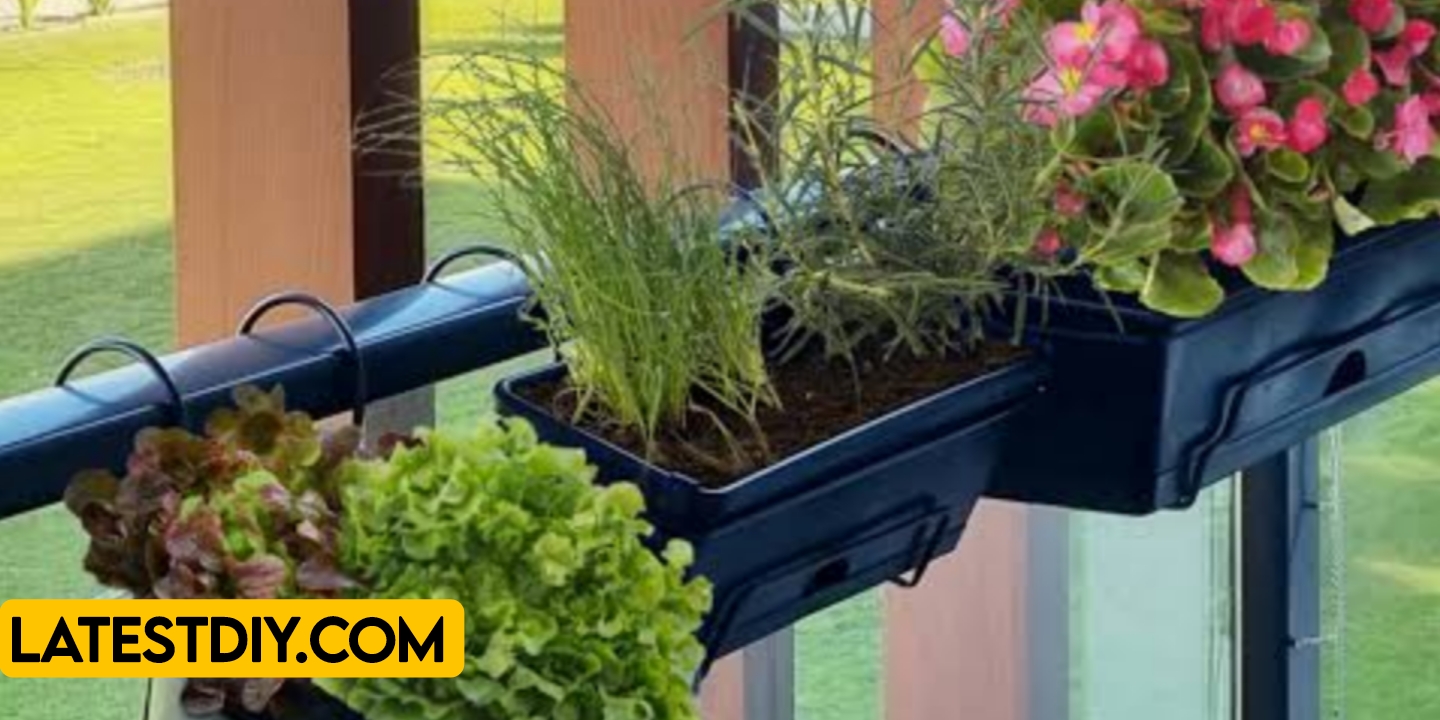
Imagine a small balcony with limited floor space creates a big desire for fresh herbs and greenery, and before you realize it, that desire turns into one of the most practical and beautiful gardening projects you have ever made. This build is exactly that kind of experience. The clever design, the smart use of vertical space, the fresh smell of herbs right outside your door, and the entire process behind creating a Vertical Herb Garden for Balcony Railings feels incredibly rewarding for any apartment dweller or small-space gardener.
This project is not just another planter. It is something far more special and far more useful. The goal here is to build a strong, attractive, rail-mounted vertical herb garden that turns your balcony railing into a productive growing wall without taking up any floor space.
That means this project must balance two completely different worlds. On one side, there is beautiful woodworking, clean design, and natural aesthetics. On the other side, there is practical engineering, strong railing attachment, proper drainage, sun exposure, weight management, and functionality that keeps herbs healthy and thriving all year round.
Welcome to this complete step-by-step journey of building your own Vertical Herb Garden for Balcony Railings.
A few weeks ago, I was sitting on my small apartment balcony drinking tea and wishing I could grow fresh mint, basil, and coriander for daily cooking. The floor was already crowded with chairs and a small table. That moment gave me the idea to build a vertical garden that hangs directly on the railing. After finishing it, my balcony now looks like a mini green oasis, and I harvest fresh herbs every single day. The best part? It cost very little and looks much better than expensive store-bought versions.
Before picking up any tools, there was something very important that had to happen first.
Why a Vertical Herb Garden on Balcony Railings is Perfect
Most people living in apartments think they don’t have space for gardening. But balcony railings offer a huge unused vertical area. A well-designed vertical herb garden gives you fresh organic herbs, improves air quality, adds beauty, and even attracts butterflies and bees. It is perfect for beginners because herbs are easy to grow and very forgiving.
This design works great for:
- Small apartment balconies
- Rental homes (no permanent changes)
- Urban gardening
- Growing basil, mint, thyme, rosemary, coriander, oregano, parsley, etc.
- Saving money on grocery store herbs
Understanding the Challenges of Balcony Gardening
Balcony railings have wind, limited soil depth, and weight restrictions. The garden must be lightweight yet strong, have excellent drainage to prevent root rot, and be easy to water and harvest. It should also look neat and not damage the railing.
I designed a modular system with individual planters that can be added or removed easily. Total height: 48 inches. It holds 12–15 herb plants comfortably.
Materials and Tools Used
Wood:
- Scrap cedar or pine (rot-resistant)
- 1×6 boards for main frame
- 1×4 boards for supports
Planters:
- Reused plastic bottles or food containers (inner liners)
- Coco coir liners or landscape fabric
Hardware:
- Heavy-duty railing clamps or U-bolts (no drilling needed)
- Stainless steel screws
- Wire mesh for drainage
- Strong zip ties and hooks
Finish:
- Outdoor wood sealer or linseed oil
Tools:
- Saw, drill, screwdriver, measuring tape, level, staple gun
Total new material cost: Only $90–130 (mostly using scrap wood and recycled containers).
Step-by-Step Building Process
Step 1: Planning and Measuring Your Railing
I started by carefully measuring my balcony railing — length, height from floor, and gap between bars. Most railings are 36–42 inches high. I designed the garden to sit on the top rail and hang securely without blocking the view. I also checked weight capacity with the building management.
Step 2: Building the Main Vertical Frame
I built two strong vertical side frames using 1×6 cedar. Each frame is 48 inches tall. I connected them with horizontal supports at different levels. All joints were reinforced with screws and wood glue for strength. The frame is lightweight but can easily hold 40–50 kg when fully planted and watered.
Step 3: Creating Individual Herb Planters
This was the most creative part. I cut 1×6 boards to make box-style planters (12″ long × 6″ wide × 6″ deep). Each planter has drainage holes at the bottom. I lined them with coco coir and added a thin layer of gravel for better drainage. I made 12 such planters.
Step 4: Attaching Planters to the Frame
I mounted the planters at different heights and angles so each herb gets good sunlight. Some face slightly outward for easier harvesting. I used strong brackets and screws so planters can be removed easily for cleaning or replanting.
Step 5: Secure Railing Attachment System
This is the most important safety part. I used heavy-duty adjustable railing clamps (no drilling into balcony). The clamps grip the top rail firmly. I added extra safety chains as backup. The entire garden feels completely secure even in strong wind.
Step 6: Adding Watering and Maintenance Features
I installed a simple drip irrigation system using recycled tubing. A small water reservoir at the top slowly waters all levels. I also added small labels on each planter so I remember what is growing where.
Step 7: Final Finishing and Planting
I applied outdoor sealer to protect the wood. Then came the best part — planting! I filled the planters with good potting mix and planted fresh herb seedlings. Within two weeks, the garden was lush and green.
Testing the Vertical Herb Garden
After installation, I tested it thoroughly:
- Watered heavily to check drainage
- Shook the railing to test stability in wind
- Left it through heavy rain and strong winds
- Harvested herbs regularly for one month
- Checked weight after full watering
Everything performed perfectly. No sagging, no water mess on the floor, and herbs are growing beautifully.
Benefits of This Vertical Herb Garden
- Grows fresh herbs right outside your kitchen
- Saves a lot of money on groceries
- Uses zero floor space
- Looks beautiful and decorative
- Improves balcony aesthetics
- Eco-friendly and sustainable
- Easy to maintain
- Expandable — you can add more levels
- Great for beginners
- Brings nature and freshness to small spaces
Comparison Table: DIY Vertical Garden vs Other Options
| Feature | DIY Railing Garden | Store-Bought Vertical Planter | Hanging Baskets | Floor Planters |
|---|---|---|---|---|
| Space Used | Zero floor space | Some floor space | Medium | High |
| Cost | $90–130 | $150–400 | $50–100 | $80–200 |
| Strength & Stability | Very High | Medium | Low | Good |
| Custom Size | Fully Custom | Fixed | Limited | Limited |
| Ease of Harvesting | Excellent | Good | Average | Good |
| Drainage & Plant Health | Excellent | Average | Poor | Good |
| Looks | Beautiful & Natural | Plastic look | Basic | Normal |
| Wind Resistance | Very Good | Medium | Poor | Good |
Challenges I Faced During the Build
- Making it strong enough for wind without being too heavy
- Achieving perfect drainage so water doesn’t drip on neighbors
- Balancing sunlight for different herbs
- Finding clamps that fit my specific railing perfectly
- Keeping the design looking clean and minimalist
Every challenge taught me better techniques and made the final garden stronger and more practical.
(FAQ)
1. Will this damage my balcony railing?
No. I used non-drilling clamps that grip gently but firmly.
2. How many herbs can I grow in this garden?
This design comfortably holds 12–15 different herbs at once.
3. Is it safe in heavy wind and rain?
Yes, I tested it thoroughly. It stayed completely stable.
4. How much did the complete project cost?
Around $110 using mostly scrap wood and recycled planters.
5. Can beginners build this?
Yes, it is a perfect weekend project even for beginners.
6. What herbs grow best in this setup?
Basil, mint, thyme, rosemary, coriander, oregano, parsley, and chives grow very well.
7. How often do I need to water?
In summer, every 2–3 days. The drip system makes it very easy.
8. Can I make it for a bigger balcony?
Absolutely. You can easily extend the length or add more levels.
9. What if I live on a high floor with strong winds?
Use extra safety chains and choose wind-resistant herbs like rosemary and thyme.
10. Can I grow vegetables in this too?
Yes! Cherry tomatoes, lettuce, spinach, and strawberries also grow well in this design.
Conclusion
This Vertical Herb Garden for Balcony Railings started as a simple wish for fresh herbs in a small apartment and turned into a beautiful, productive green wall that I enjoy every single day. Through smart design, strong construction, and attention to every practical detail, I created something that is both highly functional and genuinely attractive.
Living in a small space doesn’t mean you have to give up gardening. With a vertical railing garden, you can grow your own food, enjoy nature, and make your balcony feel like a peaceful garden retreat. The joy of stepping outside and picking fresh basil for your pasta or mint for your tea is something special that everyone should experience.
This project proves that with some wood, creativity, and a weekend of work, you can transform any ordinary balcony into a productive and beautiful herb garden. It saves money, improves your cooking, and brings a sense of calm and satisfaction that only gardening can give.
If you have a balcony with railings and want fresh herbs, I strongly recommend building this vertical garden. The process is fun, the result is practical, and you will be proud of it every time you look at your thriving green wall.
This garden has completely changed how I use my small balcony, and I believe it can do the same for you.
My Personal Opinion
This project reminded me why I love building things for daily life. It is not always about big furniture. Sometimes the most meaningful builds are the ones that bring nature closer to us in small spaces. Every morning when I walk out and see my herbs growing strong, smelling fresh, and ready to harvest, I feel happy and connected to something real. This vertical garden is more than wood and plants — it is freshness, sustainability, and joy packed into my small balcony. I couldn’t be happier with how it turned out.

I’m Shubham, a professional carpenter with 11 years of experience in the craft. I specialize in turning high-quality wood into custom furniture, durable cabinetry, and precise structural work. For me, woodworking isn’t just a job—it’s about building things that last a lifetime