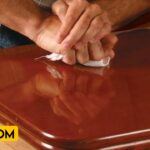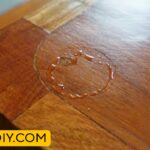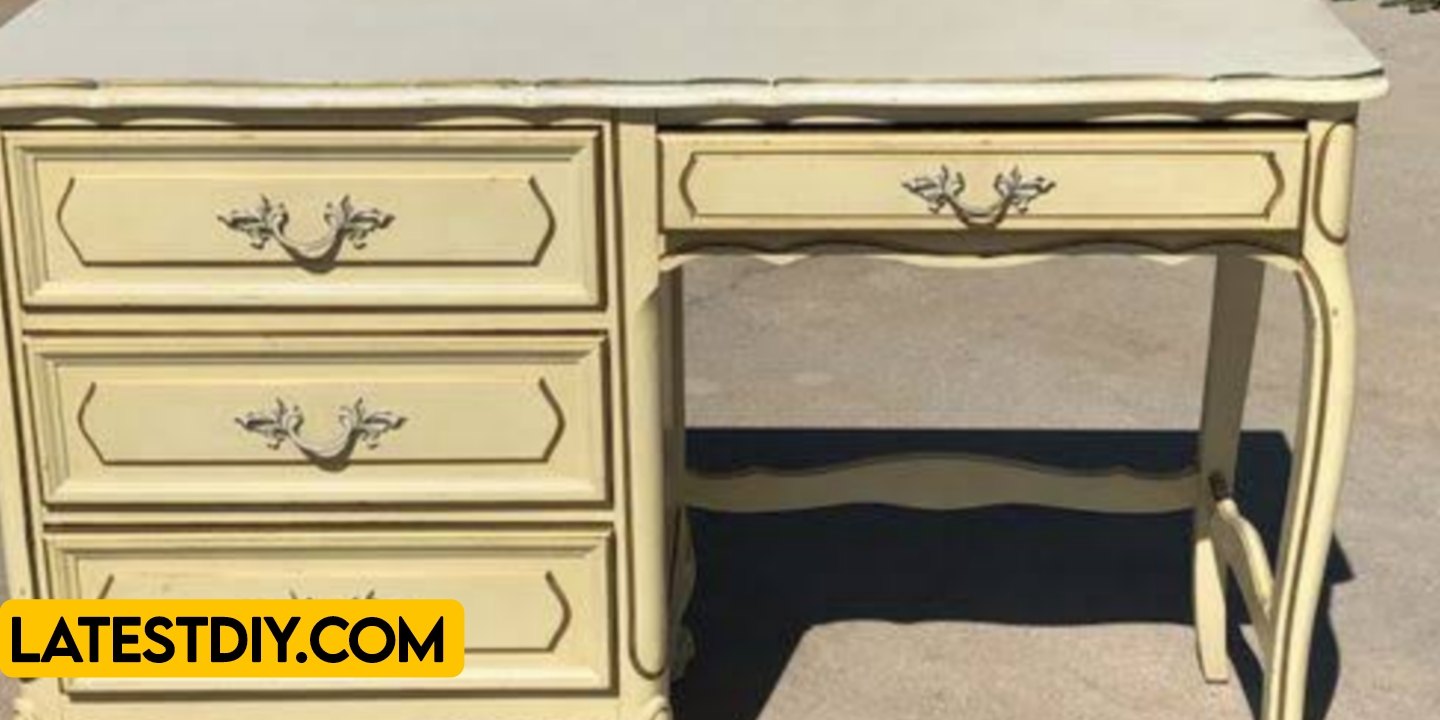
Worn-out piece of furniture with beautiful curves and carvings catches your eye at a flea market or in your grandparents’ house, and before you realize it, that dusty find turns into one of the most satisfying and rewarding projects you have ever done. This journey is exactly that kind of experience. The transformation, the revival of elegant details, the romantic French countryside charm, and the entire process behind restoring French Provincial furniture feels like bringing a piece of history back to life.
This guide is specially made for beginners. It is not just another furniture refinishing article. It is something far more special and far more practical. The goal here is to teach you how to restore authentic French Provincial furniture step-by-step — from ugly, damaged, dated pieces to beautiful, elegant, heirloom-quality furniture that looks expensive and adds timeless charm to your home.
That means this guide must balance two completely different worlds. On one side, there is the romantic, ornate, and graceful style of French Provincial furniture. On the other side, there is beginner-friendly, practical advice with simple tools, safe techniques, and realistic expectations.
Welcome to this complete beginner’s journey of restoring French Provincial furniture.
A few months ago, I found an old, dark, scratched French Provincial nightstand at a garage sale for almost nothing. The legs were chipped, the finish was peeling, and it looked sad. But the beautiful cabriole legs and delicate carvings called to me. After restoring it, that same piece now looks like it belongs in a French chateau. Friends keep asking where I bought it. This guide shares everything I learned so you can do the same with confidence.
Before we start sanding or painting, there was something very important that had to happen first.
What is French Provincial Furniture?
French Provincial (also called French Country) style comes from the rural areas of France in the 18th and 19th centuries. It is softer and more relaxed than formal Louis XV or Louis XVI styles. Key features include:
- Curved cabriole legs
- Ornate carvings (flowers, shells, scrolls)
- Bombe (bulging) fronts on chests
- Warm, distressed finishes
- Romantic, lived-in elegance
Common pieces: dressers, nightstands, dining tables, chairs, armoires, and sideboards.
Why Restore French Provincial Furniture?
These pieces are usually well-made from solid wood (not cheap particle board). Restoring them saves money, reduces waste, and gives you unique furniture with soul. A restored French Provincial piece adds warmth, character, and luxury to modern homes.
Tools and Materials You Will Need (Beginner-Friendly)
Basic Tools:
- Screwdrivers, hammer, pliers
- Sandpaper (80, 120, 220 grit)
- Paint stripper
- Scrapers and putty knife
- Wood filler
- Clean rags
Recommended:
- Orbital sander
- Paint brushes and foam rollers
- Wax or polyurethane
- Chalk paint (easy for beginners)
- Antique glaze or dark wax for distressing
Safety Items:
- Gloves, mask, goggles
Total cost for restoring one medium piece: $80–180.
Step-by-Step Restoration Process
Step 1: Assessment and Disassembly
Start by carefully inspecting the piece. Take clear photos from all angles. Check for loose joints, broken carvings, water damage, or woodworm. Remove drawers, doors, and hardware. Label everything so you can put it back correctly.
Step 2: Stripping the Old Finish
French Provincial pieces often have many layers of old varnish or paint. Apply a good paint stripper generously and let it dwell. Scrape gently with a putty knife. For detailed carvings, use an old toothbrush or dental tools. This step reveals the beautiful wood underneath.
Step 3: Repairing Damage and Carvings
Fill deep scratches and gouges with wood filler. For broken carvings, use two-part wood epoxy to rebuild missing parts. Let it cure fully, then carve details back using small chisels or Dremel tool. This step brings back the romantic French details.
Step 4: Sanding Smoothly
Sand in the direction of the grain. Start with 80 grit to remove old finish residue, then move to 120 and 220 grit. On curved cabriole legs, hand sanding is best. Wipe away all dust with a tack cloth.
Step 5: Choosing Your Finish Style
Beginners have three popular options:
- Natural Wood Look – Stain + clear coat
- Chalk Paint + Distressing – Most popular for French Provincial
- Painted + Glazed – For an aged antique look
I recommend chalk paint for first-timers because it requires no priming and is very forgiving.
Step 6: Painting and Distressing
Apply 2–3 thin coats of chalk paint. For authentic French Provincial charm, distress the edges and high-wear areas with sandpaper. Apply dark wax or antique glaze and wipe off excess. This creates that beautiful “time-worn” look.
Step 7: Sealing and Protecting
Apply clear wax or water-based polyurethane for protection. Reinstall hardware (or replace with vintage-style brass pulls).
Step 8: Final Assembly and Placement
Put everything back together. Place your restored piece in the room and enjoy the transformation!
Benefits of Restoring French Provincial Furniture
- Saves hundreds or thousands compared to buying new
- Creates unique, character-filled pieces
- Improves woodworking and restoration skills
- Eco-friendly (reuses existing furniture)
- Adds warmth and romance to modern homes
- Increases home value
- Very satisfying creative process
- Great for beginners to learn on
- Can be done in small spaces
- Results look expensive and elegant
Comparison Table: Before vs After Restoration
| Feature | Before Restoration | After Restoration (French Provincial) |
|---|---|---|
| Appearance | Dull, scratched, dated | Elegant, romantic, timeless |
| Surface Quality | Rough, peeling | Smooth, soft-touch |
| Value | Very Low | High (looks antique) |
| Durability | Weak | Strong & Protected |
| Style | Old & Tired | Classic French Country |
| Emotional Feel | Sad | Warm & Welcoming |
| Cost | Almost nothing | $80–180 invested |
Challenges Beginners Usually Face
- Removing old stubborn finishes
- Repairing delicate carvings
- Achieving even distressing
- Choosing the right color palette
- Patience during drying times
Every challenge makes the final result more rewarding.
(FAQ)
1. How long does it take to restore one piece?
A medium-size nightstand or small dresser takes 8–15 hours spread over 3–5 days.
2. Is it expensive to restore French Provincial furniture?
No. Most projects cost under $200, even for large pieces.
3. What is the easiest piece for a complete beginner?
Start with a small nightstand or side table.
4. Should I use chalk paint or traditional stain?
Chalk paint is much easier and more forgiving for beginners.
5. How do I fix chipped carvings?
Use wood epoxy, shape it while soft, then sand and paint.
6. Can I restore painted furniture without stripping?
Yes! You can paint directly over old finish with chalk paint.
7. What colors look best on French Provincial?
Soft whites, creams, light grays, sage green, dusty blue, and warm beiges.
8. How do I get that authentic distressed look?
Sand edges, apply dark wax, and wipe — less is more.
9. Where can I find French Provincial furniture cheaply?
Garage sales, Facebook Marketplace, thrift stores, and auctions.
10. Will restored pieces look cheap or high-end?
With good technique, they look expensive and authentic.
Conclusion
Restoration of French Provincial furniture is more than just fixing old wood — it is about reviving elegance, romance, and craftsmanship from another era. Through careful assessment, patient repair, creative finishing, and a little love, you can transform forgotten pieces into beautiful centerpieces for your home.
For beginners, this style is perfect because it forgives small mistakes and rewards patience. The curved legs, soft details, and distressed finishes create warmth that modern mass-produced furniture simply cannot match.
Every time you look at your restored piece, you will feel proud knowing you gave new life to something old. You saved money, learned valuable skills, and added timeless beauty to your space.
Whether you restore one small nightstand or an entire dining set, the journey will change how you see furniture forever. Start small, enjoy the process, and don’t be afraid to make it your own. French Provincial style is all about warmth, character, and lived-in beauty — exactly what restored pieces deliver so well.
This hobby has brought me immense joy and beautiful results. I believe it can do the same for you. Pick up that old French Provincial piece, follow this guide, and watch the magic happen.
My Personal Opinion
Restoring French Provincial furniture has become one of my favorite hobbies. There is something deeply satisfying about taking a tired, neglected piece and turning it into something elegant and full of charm. In today’s world of throwaway furniture, bringing these beautiful old pieces back to life feels meaningful. Every time someone compliments my restored dresser or nightstand, I smile knowing the hours spent sanding, painting, and waxing were worth it. If you are a beginner looking for a creative and rewarding project, start restoring French Provincial furniture. You will fall in love with the process and the beautiful results.

I’m Shubham, a professional carpenter with 11 years of experience in the craft. I specialize in turning high-quality wood into custom furniture, durable cabinetry, and precise structural work. For me, woodworking isn’t just a job—it’s about building things that last a lifetime