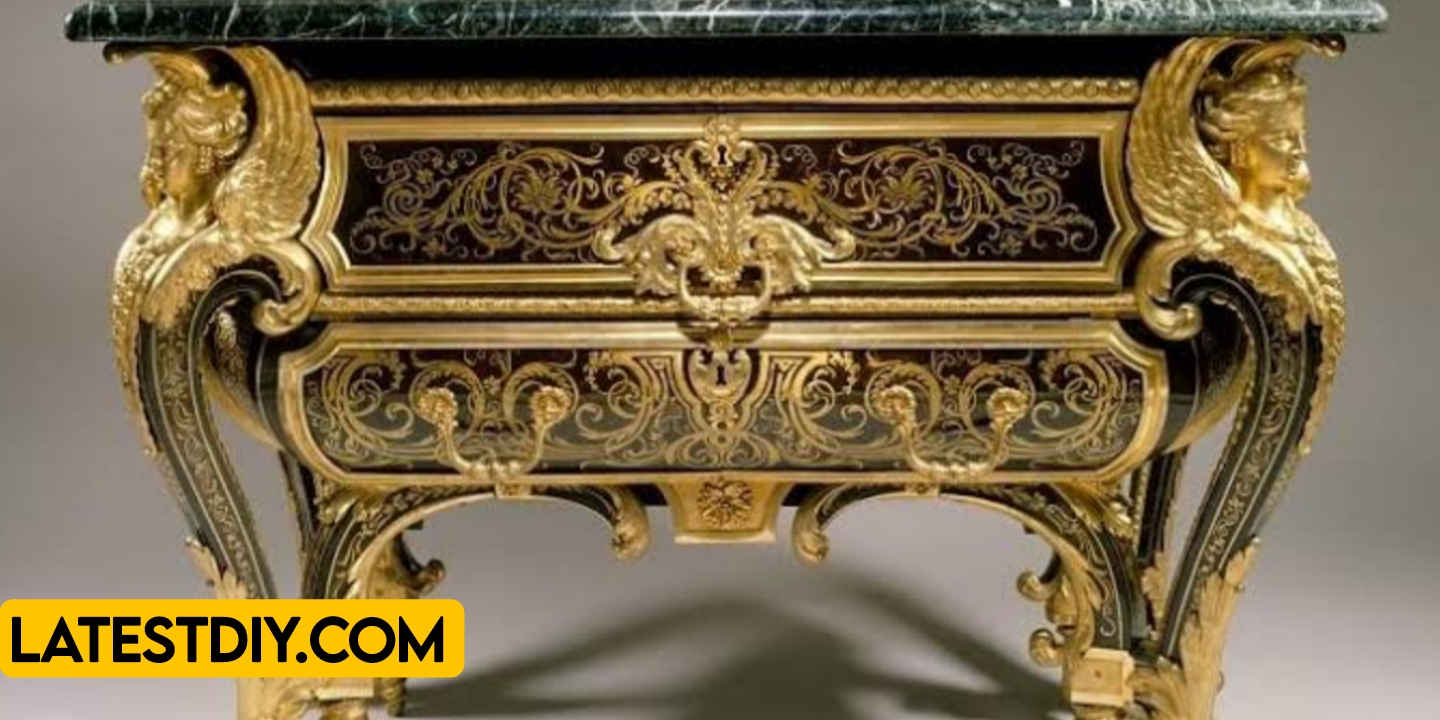
Sometimes a small wooden box becomes much more than storage — it turns into a piece of art that makes people stop and say “Wow, how did you do that?” This build is exactly that kind of experience. The intricate patterns, the beautiful contrast of materials, the luxurious old-world elegance, and the entire process behind creating Boulle Work Inspired Inlays for Small Boxes feels like true craftsmanship and pure magic.
This project is not just another decorated box. It is something far more special and far more impressive. The goal here is to create stunning small boxes using modern Boulle-inspired inlay techniques — beautiful brass, wood, and veneer patterns that look like expensive antique pieces but are completely doable for beginners.
That means this project must balance two completely different worlds. On one side, there is the historic French luxury of André-Charles Boulle’s marquetry. On the other side, there is practical, modern methods using affordable materials and beginner-friendly tools.
Welcome to this complete journey of making beautiful Boulle Work Inspired Inlays for Small Boxes.
A few weeks ago, I wanted to make special gift boxes for my family. Plain boxes felt too simple. When I discovered Boulle Work, I knew this was the perfect technique. After finishing my first box with brass and walnut inlay, it looked like something from a museum. Everyone who saw it was amazed. This guide shares everything I learned so you can create the same stunning results.
Before we start cutting inlays, there was something very important that had to happen first.
What is Boulle Work?
Boulle Work (also called Boulle Marquetry) is a luxurious French inlay technique developed in the 17th century by André-Charles Boulle. It traditionally combines tortoiseshell with brass, creating intricate patterns by cutting both materials together. The result is reversible — one side shows brass on shell, the other shows shell on brass.
In this modern version, we replace tortoiseshell with beautiful woods, veneers, and colored materials while keeping the classic look and contrast that made Boulle famous.
Why Boulle Inspired Inlays Are Perfect for Small Boxes
Small boxes are the ideal project for learning Boulle Work because:
- Small size means less material and faster results
- Intricate patterns look amazing on small surfaces
- Boxes are useful and impressive gifts
- You can practice different patterns easily
- They become treasured heirlooms
Materials and Tools You Will Need
Main Materials:
- Solid wood or plywood for box body (walnut, maple, cherry)
- Brass sheet (0.5mm–1mm thick)
- Contrasting veneer (ebony, holly, rosewood, etc.)
- Thin plywood or MDF for substrate
Tools:
- Scroll saw or jeweler’s saw
- Sharp chisels and gouges
- Cyanoacrylate glue (super glue) + activator
- Sandpaper in many grits
- Clamps and veneer tape
- Files and needle files
Finish:
- Shellac or lacquer for high shine
Total cost for 2–3 small boxes: $90–180.
Step-by-Step Building Process
Step 1: Designing Your Box and Pattern
I started with a simple 6″ × 4″ × 3″ box. For the lid, I chose a classic Boulle design — scrolling vines, flowers, and geometric borders. I drew the pattern on paper first, then transferred it to the brass sheet.
Step 2: Making the Box Body
Build a basic box using dovetail or rabbet joints. Sand everything smooth. The lid should have a slight recess for the inlay.
Step 3: Preparing the Boulle Packet
This is the real secret of Boulle Work. Stack your materials:
- Brass sheet on top
- Veneer or wood below
- Painters tape all around
Cut the entire pattern in one go with a scroll saw. This gives you both positive and negative pieces — perfect for contrast.
Step 4: Cutting the Intricate Patterns
Take your time. Use fine blades and go slowly. The more accurate your cuts, the better the final inlay will look. Save every tiny piece — they all have their place.
Step 5: Inlaying the Pieces
Apply a thin layer of glue in the recess. Place the brass pieces first, then fill the background with contrasting wood or veneer. Use super glue with activator for instant hold. Press everything flat and let it cure.
Step 6: Leveling and Sanding
Once dry, sand the inlay perfectly flush with the surface. This step reveals the magic — the pattern suddenly looks alive and three-dimensional.
Step 7: Finishing for Luxury Look
Apply multiple coats of shellac or spray lacquer. Buff to a high gloss. The brass will shine beautifully against the dark wood.
Step 8: Adding Final Details
Install hinges, a small clasp, and felt lining inside. These small touches make the box feel truly special.
Benefits of Boulle Inspired Inlays
- Creates museum-quality luxury look
- Very impressive yet achievable
- Great for personalized gifts
- Uses relatively small amounts of material
- Endless design possibilities
- Improves precision and patience skills
- Adds huge value to simple boxes
- Beautiful contrast of materials
- Timeless elegant style
- Extremely satisfying to complete
Comparison Table: Boulle Inlay vs Other Decorations
| Feature | Boulle Inspired Inlay | Simple Painting | Basic Veneer | Laser Engraving |
|---|---|---|---|---|
| Luxury Look | Outstanding | Average | Good | Clean but flat |
| Depth & Contrast | Excellent | Poor | Good | Medium |
| Skill Development | High | Low | Medium | Low |
| Durability | Very High | Medium | Good | Good |
| Uniqueness | Extremely High | Low | Medium | High |
| Cost | Medium | Low | Low | Medium |
| Wow Factor | Very High | Low | Medium | High |
Challenges I Faced as a Beginner
- Breaking tiny delicate pieces while cutting
- Achieving perfectly flush inlays
- Keeping consistent pressure while sawing
- Choosing colors that look balanced
- Patience during the many hours of work
Every challenge made the final boxes look more professional.
(FAQ)
1. Is Boulle Work difficult for beginners?
It looks complex but is very doable if you start with simple patterns and take your time.
2. Can I do this without a scroll saw?
Yes. A jeweler’s saw works well for small projects, though it takes longer.
3. What is the best wood for the box?
Walnut or mahogany looks most luxurious with brass inlay.
4. How long does one small box take?
15–25 hours spread over several days.
5. Is real brass expensive?
A small sheet is quite affordable for several boxes.
6. Can I use other metals instead of brass?
Yes — copper, aluminum, or even silver sheet look beautiful.
7. How do I protect the brass from tarnishing?
Clear lacquer or wax works very well.
8. What size box is best for first attempt?
Start with 5″ × 4″ or smaller.
9. Can these boxes be sold?
Yes, handmade Boulle-style boxes sell very well as jewelry boxes or gift items.
10. Is this technique only for lids?
No. You can do sides, borders, or full surface inlays.
Conclusion
Creating Boulle Work Inspired Inlays for Small Boxes is more than just woodworking — it is creating miniature works of art that carry the spirit of 17th-century French luxury. Through careful design, precise cutting, patient assembly, and loving finishing, you can transform simple boxes into stunning pieces that people will treasure for generations.
The contrast between shining brass and rich wood creates a depth and elegance that is hard to achieve with any other method. Every time you open one of these boxes and see the intricate patterns, you will feel proud of the skill and care you put into it.
Whether you make one box as a special gift or build a whole collection, this technique will dramatically improve your woodworking and design abilities. Start small, enjoy the process, and don’t be afraid to experiment with patterns and materials.
Boulle Work proves that true luxury doesn’t always need expensive materials — it needs vision, patience, and craftsmanship. With this guide, you now have everything you need to create beautiful Boulle-inspired boxes that look like they came from a royal workshop.
This project has brought me immense joy and pride. I believe it will do the same for you. Pick up some brass, draw a beautiful pattern, and begin your own Boulle journey. The results will surprise and delight you.
My Personal Opinion
Boulle inspired inlays have become one of my absolute favorite techniques. There is something magical about cutting a complex pattern and watching it come together into something that looks far more expensive than it actually is. The moment you sand the inlay flush and that beautiful contrast appears — it’s addictive. In a world of mass-produced items, being able to create these small boxes with such elegance feels special. If you love making things that impress people, try Boulle Work. It might just become your new favorite style too. The pride you feel when someone picks up your box and says “This is handmade?!” is priceless.

I’m Shubham, a professional carpenter with 11 years of experience in the craft. I specialize in turning high-quality wood into custom furniture, durable cabinetry, and precise structural work. For me, woodworking isn’t just a job—it’s about building things that last a lifetime