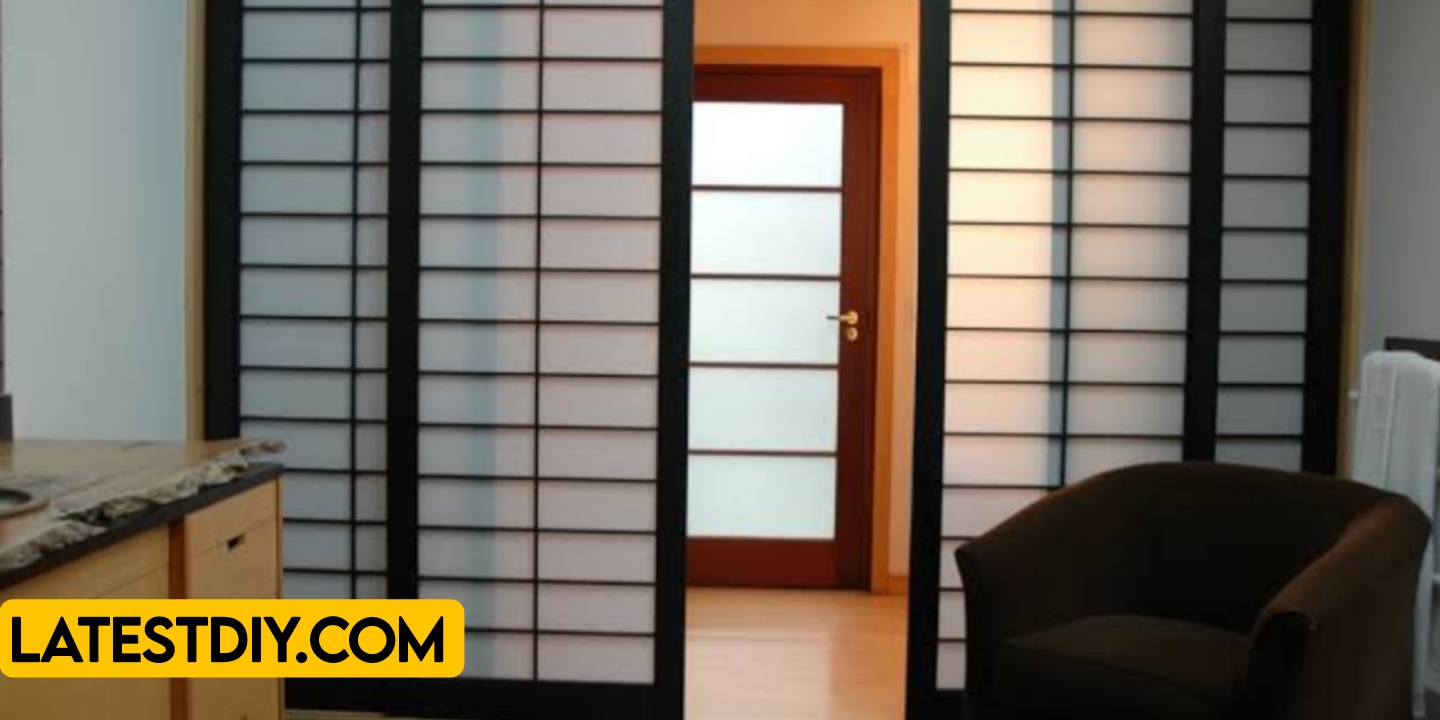
Sometimes a simple desire to bring calm, light, and privacy into your home turns into one of the most elegant and satisfying woodworking projects you have ever made. This build is exactly that kind of experience. The clean lines, the soft glowing light, the modern materials, and the entire process behind creating a DIY Shoji Screen with a Modern Twist feels peaceful, stylish, and incredibly rewarding.
This project is not just another traditional room divider. It is something far more special and far more practical. The goal here is to build a beautiful Shoji-inspired screen that keeps the classic Japanese elegance but replaces fragile rice paper with durable modern materials — perfect for real-life homes with kids, pets, or busy lifestyles.
That means this project must balance two completely different worlds. On one side, there is the timeless beauty and serenity of traditional Shoji design. On the other side, there is modern practicality — strength, easy cleaning, better light control, and materials that last for years without tearing or yellowing.
Welcome to this complete journey of building your own DIY Shoji Screen with a Modern Twist (No Rice Paper).
A few weeks ago, I wanted to divide my open-plan living room without making it feel smaller or darker. Traditional Shoji screens looked beautiful but I knew real washi paper would not survive long with my active family. So I decided to create a modern version using acrylic panels, polycarbonate, and fabric options. The final screen looks stunning — it still gives that soft glowing Japanese feel but is much stronger and easier to maintain. Now it is one of my favorite pieces in the house.
Before picking up any tools, there was something very important that had to happen first.
Why Make a Modern Shoji Screen Without Rice Paper?
Traditional Shoji screens use delicate washi paper that diffuses light beautifully but tears easily, yellows over time, and is hard to clean. For modern homes, we need something better. This version keeps the iconic grid pattern (kumiko) and minimalist look but uses tough, beautiful modern materials that give even better light diffusion and durability.
Optional: Rice paper only as decorative accent on one side
The wooden frame remains traditional but we add modern touches like hidden hinges, adjustable feet, and sleek black or walnut finishes.
Materials and Tools Used
Wood:
Premium pine or walnut (1×2 and 1×3 stock)
Thin kumiko strips (½” × ¼”)
Modern Panel Materials:
3mm frosted acrylic sheets
4mm polycarbonate (optional for extra strength)
Tension fabric panels
Hardware:
Brass hinges for folding version
Adjustable leveling feet
Strong wood glue and brad nails
Finish:
Natural tung oil or matte black paint
Tools:
Table saw, miter saw, CNC or jig for kumiko, clamps, router
Total material cost: $220–380 depending on size and materials (4-panel folding screen).
Step-by-Step Building Process
Step 1: Planning and Design
I decided on a 4-panel folding screen, each panel 24″ wide × 72″ tall. This gives excellent coverage when opened. I drew detailed plans showing the kumiko grid pattern with larger rectangles for a modern feel instead of tiny traditional squares.
Step 2: Building the Outer Frames
I cut all vertical stiles and horizontal rails precisely. Each corner used strong mortise and tenon or pocket hole joints for durability. The frames were glued and clamped perfectly square.
Step 3: Creating the Modern Kumiko Lattice
This is the artistic heart of the screen. I cut hundreds of thin strips and made half-lap joints using a simple jig. The pattern is a clean grid with some wider sections that give a contemporary look. Each intersection was glued carefully.
Step 4: Choosing and Installing Modern Panels
Option 1 – Frosted Acrylic I cut frosted acrylic sheets to fit inside the frames. They give beautiful even light diffusion and feel very premium.
Option 2 – Polycarbonate Slightly more expensive but almost unbreakable — perfect if you have kids or pets.
Option 3 – Tension Fabric Modern linen or cotton fabric stretched tight for a soft, textured look.
I installed the panels from the back using small retaining strips so they can be removed easily if needed.
Step 5: Adding Folding Mechanism and Feet
I attached high-quality brass hinges between panels so the screen folds neatly for storage. Adjustable leveling feet at the bottom keep it stable on uneven floors.
I sanded everything smooth, broke all edges, and applied multiple coats of tung oil on walnut or matte black finish for a bold modern look. The contrast between dark wood and glowing panels looks stunning.
Step 7: Final Assembly and Placement
After letting the finish cure, I set up the screen in the living room. The soft diffused light it creates during the day and the gentle glow with backlighting at night completely transformed the space.
Testing the Modern Shoji Screen
I tested it thoroughly:
Folded and unfolded 100 times
Pushed gently to check stability
Cleaned with glass cleaner (acrylic version)
Left it in direct sunlight for weeks
Used it as a room divider for one month
Everything performed beautifully — no warping, no damage, and the panels still look perfect.
Benefits of This Modern Shoji Screen
Beautiful soft light diffusion without darkness
Much more durable than traditional rice paper
Easy to clean and maintain
Modern yet timeless Japanese aesthetic
Creates privacy without closing off space
Folding design saves storage space
Custom size and material choices
Cheaper than high-end designer screens
Improves room ambiance dramatically
Great conversation piece
Comparison Table: Traditional vs Modern Shoji Screen
Feature
Traditional Rice Paper
Modern Version (This Build)
Fabric Screen
Plastic Divider
Durability
Low
Very High
Medium
High
Light Diffusion
Excellent
Excellent
Good
Poor
Easy to Clean
Very Difficult
Very Easy
Medium
Easy
Cost
Medium
$220–380
Low
Low
Looks
Classic
Modern Japanese
Soft
Cheap
Maintenance
High
Very Low
Medium
Low
Pet & Kid Friendly
Poor
Excellent
Medium
Good
Longevity
3–8 years
15+ years
5–10 years
8–12 years
Challenges I Faced During the Build
Making perfect half-lap joints on many kumiko strips
Cutting acrylic sheets cleanly without cracking
Keeping the entire screen perfectly square
Achieving the right balance between traditional and modern look
Finding the perfect tension for fabric panels
Every challenge made the final screen stronger and more beautiful.
(FAQ)
1. Is this screen really stronger than traditional Shoji? Yes, much stronger. The acrylic or polycarbonate panels are impact resistant.
2. Can I still get that soft glowing light effect? Absolutely. Frosted acrylic gives even better diffusion than real washi paper.
3. How much did the complete 4-panel screen cost? Around $320 using walnut and frosted acrylic.
4. Is it suitable for beginners? Yes. The kumiko lattice takes patience but is very doable.
5. How do I clean the panels? Just wipe with glass cleaner or mild soap — super easy.
6. Can I make it as a fixed wall screen instead of folding? Yes, easily. Just skip the hinges.
7. What is the best material for the panels? Frosted acrylic for beauty, polycarbonate for maximum strength.
8. How long did the project take? About 25–30 hours spread over one weekend.
9. Will it work in humid climates? Yes. Unlike paper, these materials don’t absorb moisture.
10. Can I add lighting behind it? Yes! LED strips behind the panels look absolutely magical at night.
Conclusion
This DIY Shoji Screen with a Modern Twist (No Rice Paper) started as a simple need for better room division and turned into a stunning piece of functional art that I am proud to show off every day. By keeping the soul of traditional Japanese design but upgrading to modern materials, we created something that is both beautiful and practical for today’s homes.
The soft glowing light, the clean wooden grid, and the durable panels work together to bring calm and elegance into any space. Whether you live in a small apartment or a big house, this screen proves that you can have timeless Japanese beauty without the fragility of traditional materials.
Building this screen taught me that tradition and modernity can live together beautifully. The process was meditative, the challenges were rewarding, and the final result completely changed how my living room feels — more open, more peaceful, and more personal.
If you love Japanese design but want something that survives real life, I highly recommend building this modern Shoji screen. The satisfaction of dropping the panels in place and seeing that beautiful diffused light fill your room is hard to describe. It is more than a room divider — it is a statement of calm, creativity, and smart design.
This project has become one of my favorites, and I believe it will become one of yours too.
Opinion This modern Shoji screen is easily one of the most enjoyable projects I have built. There is something special about combining centuries-old Japanese design with today’s practical materials. Every time I walk past it and see the soft light filtering through, I feel calm. In my busy life, this screen brings a little zen into the house. It proves that you don’t have to choose between beauty and practicality — you can have both. If you are thinking about making one, go for it. You will love the result every single day.
I’m Shubham, a professional carpenter with 11 years of experience in the craft. I specialize in turning high-quality wood into custom furniture, durable cabinetry, and precise structural work. For me, woodworking isn’t just a job—it’s about building things that last a lifetime