There is something interesting that happens when you try to place a simple bench in a garden space, because what initially feels like a small functional addition slowly turns into a design decision that affects the entire atmosphere of that space, and the moment you start looking at options you realize that most benches either lean too heavily into traditional styles that feel bulky and outdated or they go completely modern with sleek lines but lack the warmth and character of real wood joinery, which is exactly where the idea of a hybrid timber frame garden bench begins to make sense, because instead of choosing between modern aesthetics and traditional strength you combine both approaches into a single structure that not only looks clean and minimal but also carries the timeless durability of timber framing.
Understanding the Core Problem
If you observe most outdoor benches carefully over a period of time, you will notice that the biggest issue is not how they look when they are new but how they perform after months of exposure to weather, because outdoor furniture is constantly subjected to moisture, heat, and movement caused by expansion and contraction of the wood, which means that designs relying only on screws or weak joints often start loosening, wobbling, or even cracking under stress, and this is why traditional timber framing techniques have survived for centuries since they rely on interlocking joints that distribute load naturally rather than depending entirely on fasteners, but at the same time purely traditional designs can sometimes feel visually heavy or complex for modern spaces, creating the need for a balanced hybrid approach.
The Idea Behind Hybrid Timber Framing
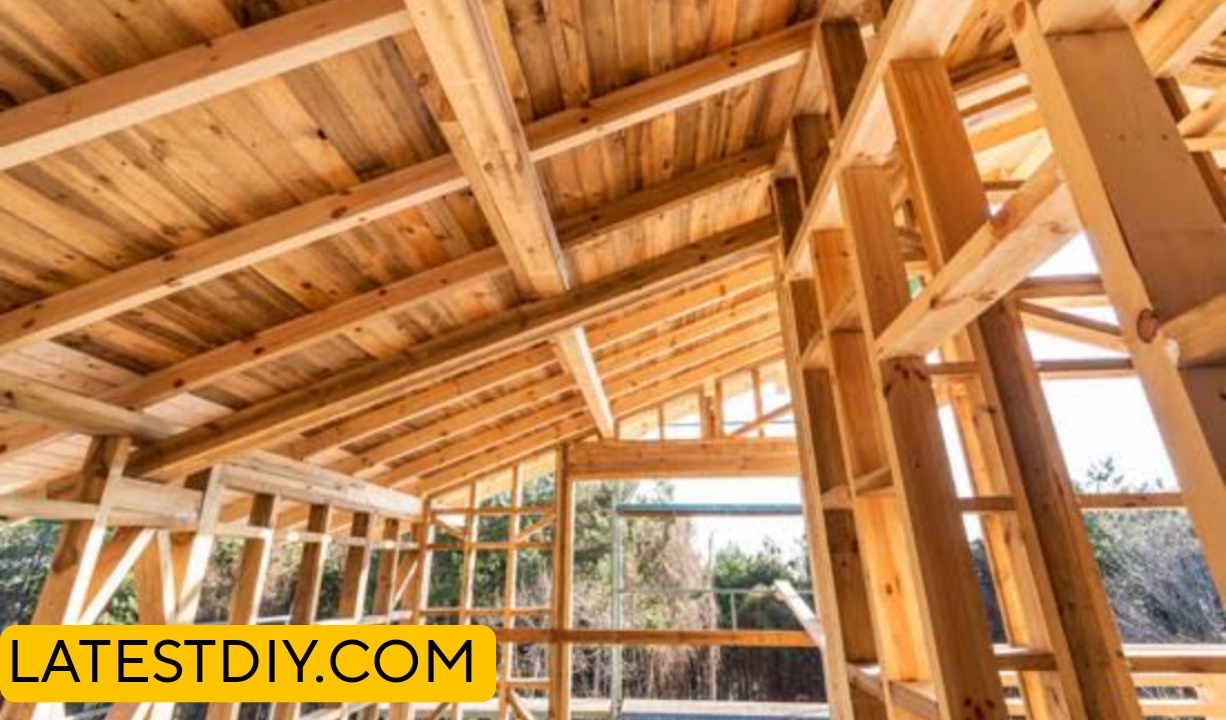
The concept of a hybrid timber frame bench is not about recreating historical furniture exactly as it was but about extracting the core structural principles of timber framing such as mortise and tenon joinery and combining them with simplified modern forms that reduce visual clutter while maintaining strength, which means that instead of using complex decorative joints you focus on clean structural connections that are both functional and visually appealing, allowing the bench to feel solid and grounded while still fitting into contemporary outdoor spaces without looking overly traditional or out of place.
Planning the Design
Before starting the build, one of the most important steps is to define how the bench will be used and where it will be placed, because a garden bench is not just about sitting but about interaction with the surrounding environment, which means you need to consider factors such as the height for comfortable seating, the depth for proper support, and the overall length depending on how many people you want it to accommodate, and at the same time you also need to think about proportions and visual balance so that the bench does not feel too bulky or too fragile within the space, which is why careful planning at this stage ensures that the final piece feels both functional and intentional.
Exact Dimensions
Typical Dimensions for This Bench
Length: 48 inches
Height: 18 inches
Depth: 16 inches
These dimensions are not random but based on ergonomic comfort, because a seat height of around 18 inches allows for natural sitting posture while a depth of 16 inches provides enough support without making the bench feel oversized, and adjusting these dimensions slightly based on your space can help tailor the bench to your specific needs.
Materials Selection
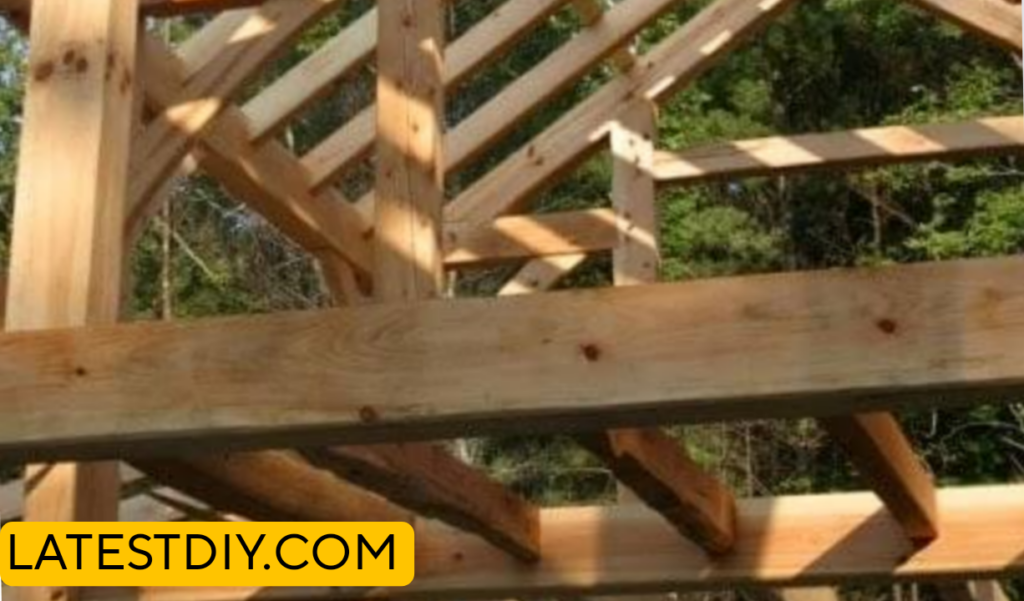
When building a garden bench, the choice of wood becomes extremely important because not all wood species handle outdoor conditions equally, and while softwoods may be easier to work with they often lack the durability required for long-term exposure, which is why hardwoods like cedar, teak, or oak are preferred since they naturally resist moisture, insects, and decay, and even within these options selecting properly dried and straight-grained pieces ensures that the structure remains stable over time without excessive warping or cracking.
Tools Required
Tools Needed
Table saw
Chisel set
Drill
Clamps
Measuring tools
Sander
Each of these tools plays a role beyond its basic function, because the table saw ensures accurate cuts for clean joints, chisels are essential for creating precise mortise and tenon connections, clamps hold everything in alignment during assembly, and sanding tools refine the final surface, which means that having the right tools is less about quantity and more about ensuring precision at every stage.
Cut List
Seat Beam – 1 piece – 48 x 4 x 2 inches
Legs – 4 pieces – 18 x 3 x 3 inches
Lower Support Beam – 1 piece – 44 x 3 x 2 inches
Side Braces – 2 pieces – 14 x 2 x 2 inches
Each of these components contributes to the overall stability and balance of the bench, ensuring that weight is distributed evenly across the structure.
Step-by-Step Build Process
- Begin by cutting all components according to the planned dimensions, ensuring accuracy because every joint depends on precise alignment.
- Mark and cut mortise and tenon joints for connecting the beams and legs, focusing on tight fits that provide strength without relying solely on screws.
- Assemble the main frame using glue and clamps, allowing the joints to set properly before adding additional components.
- Attach the seat beam securely, ensuring it is level and evenly supported.
- Sand all surfaces thoroughly to remove rough edges and prepare for finishing.
- Apply a protective outdoor finish to enhance durability and resistance to weather.
Structural Strength
The reason timber frame joinery works so well is because it distributes load across the entire structure rather than concentrating stress at specific نقاط, which means that even under heavy use the joints remain stable and secure, and when combined with modern fasteners where necessary the result is a hybrid system that benefits from both traditional strength and modern convenience.
Before vs After Comparison
Before
- Empty or unorganized garden space
- No seating or focal point
After
- Functional seating area
- Strong visual centerpiece
- Improved usability of outdoor space
Comparison Table
| Feature | Standard Bench | Hybrid Timber Frame Bench |
|---|---|---|
| Strength | Medium | High |
| Design | Basic | Modern + Traditional |
| Durability | Moderate | Long-lasting |
| Cost | Low | Moderate |
Cost Breakdown
Estimated Cost
Wood – $80 to $150
Tools (if needed) – $50+
Finishing materials – $20 to $40
Total – $100 to $200
Pro Tips
Always dry-fit your joints before applying glue because once assembled adjustments become difficult, and ensuring tight fits at this stage saves time and improves the final strength of the bench.
Common Mistakes
One common mistake is making loose joints which reduces stability, and another is ignoring wood movement which can lead to cracks over time if not properly accounted for during assembly.
Customization Ideas
You can add a backrest for extra comfort, incorporate cushions for aesthetics, or even modify the design to include storage beneath the seat depending on your requirements.
Real Use Scenarios
This bench works perfectly in gardens, patios, and outdoor seating areas where both functionality and visual appeal are important, making it a versatile addition to different types of spaces.
Conclusion
At the end of the day, building a hybrid timber frame garden bench is not just about creating a place to sit but about combining traditional craftsmanship with modern design thinking to produce something that is both durable and visually appealing, proving that with the right approach even a simple project can turn into a meaningful and long-lasting addition to your space.

I’m Shubham, a professional carpenter with 11 years of experience in the craft. I specialize in turning high-quality wood into custom furniture, durable cabinetry, and precise structural work. For me, woodworking isn’t just a job—it’s about building things that last a lifetime